Salim arrived in Ireland in 2016 from Lebanon, where he had spent four years in limbo after fleeing war in his home country, Syria.
Before his forced departure, Salim worked as a jewellery graphic designer and helped at his family’s transportation business.
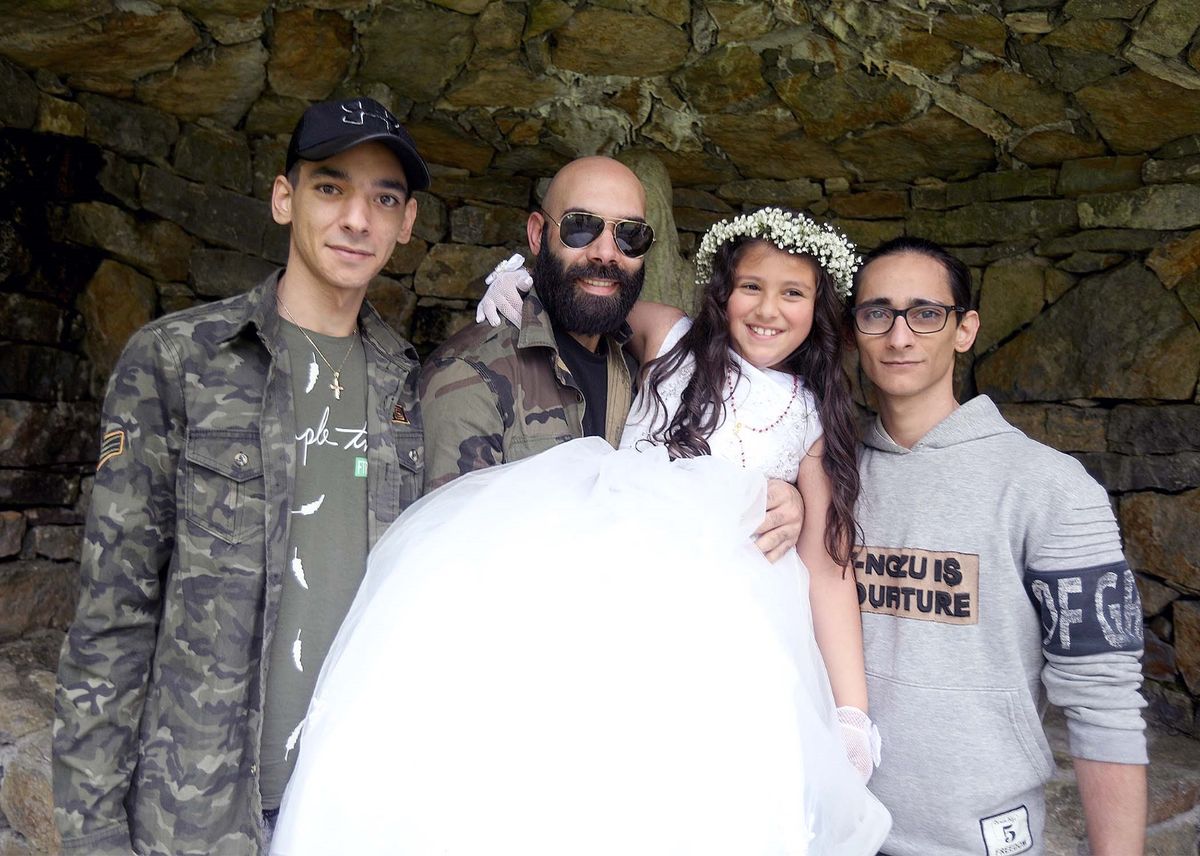
“Syria was a beautiful country. Families and neighbours united. One night, we sat watching TV as a family, and then the next morning, there were bombings everywhere. Suddenly, everything changed. We left everything behind. I still wonder what happened,” he said.
“When I left with my mother, sister, and her three kids, there were dead people everywhere. My sister’s husband was missing. It was like a dream,” recalls Salim.
In Lebanon, the family was among the millions of refugees the country was struggling to host. The family registered with UNHCR for resettlement as Lebanon provided no pathway for citizenship and employment prospects. When they heard back, only he and his mother had been chosen to resettle in Ireland.
“They (UNHCR) said you go first; we will take care of your sister, and she will join you later.”
A few weeks stretched to years. He reached out to many with no results. In the interim, he struggled to cope with the demands of a new life in Ireland and meet his sister's needs in Lebanon.
“My mother is disabled. In Syria, our house was always busy; neighbours, cousins, and friends came in to help. When we moved here initially, it was just me and my mother. I was doing everything: cleaning, shopping, cooking, and taking her to the hospital with no car. It was very difficult for me. I needed to send money to my sister and learn English.”
“A few weeks after we arrived, your team visited us. Hassina (IRC Resettlement Officer) helped me apply for reunification. She put in many hours, and because she speaks Arabic, explaining my emotions and what I needed help with was very easy. I don’t want to say much, but my sister and her children would probably still be in Lebanon if it were not for her. We eventually found her husband and his visa was approved this February, thanks to Monika (IRC Caseworker).”
Salim was reunited with his sister and nieces in 2019. She is now their mother’s primary caregiver while he works as a driver for An Post.
“My mother is disabled. In Syria, our house was always busy; neighbours, cousins, and friends came in to help. When we moved here initially, it was just me and my mother. I was doing everything: cleaning, shopping, cooking, and taking her to the hospital with no car. It was very difficult for me. I needed to send money to my sister and learn English.”
“A few weeks after we arrived, your team visited us. Hassina (IRC Resettlement Officer) helped me apply for reunification. She put in many hours, and because she speaks Arabic, explaining my emotions and what I needed help with was very easy. I don’t want to say much, but my sister and her children would probably still be in Lebanon if it were not for her. We eventually found her husband and his visa was approved this February, thanks to Monika (IRC Caseworker).”
Salim was reunited with his sister and nieces in 2019. She is now their mother’s primary caregiver while he works as a driver for An Post.
“That was my dream job in Ireland, and thank God, I now have it. I passed all the tests the first time except the CPC (Certificate for Professional Competence).
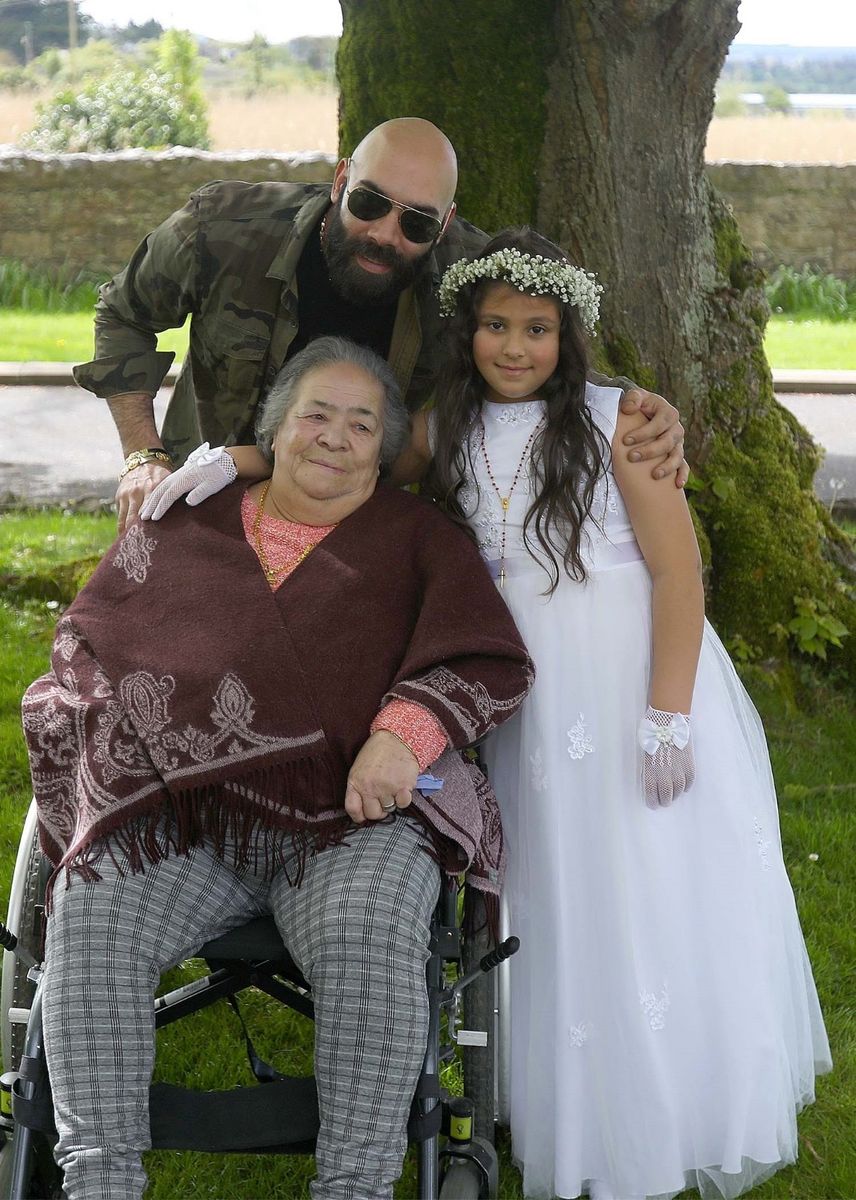
Seven times, I failed. I kept saving the money and going back. It was hard for me because it’s scenarios with no answers, and when I arrived, I could only say, ‘Hi, how are you?’” said Salim, who has successfully added English as a fourth language.
The Irish Refugee Council Resettlement Programme supports individuals and families brought to Ireland under the Irish Refugee Protection Programme.